ICOB

ICOB

Interethnic distance, violence and violent extremism leading to terrorism
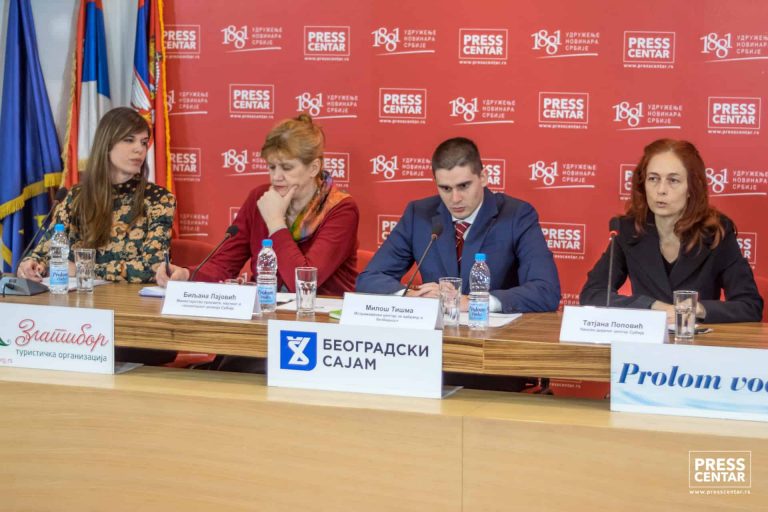
ALARMING RESULTS OF RESEARCH IN SCHOOLS IN FIVE MULTIETHNIC MUNICIPALITIES – HIGH INTERETHNICAL DISTANCE BETWEEN STUDENTS The Research Center Defence and Security  conducted a research on “Interethnic distance, violence and violent extremism leading to terrorism.” The research was conducted in five multiethnic municipalities. It included the population of primary and secondary schools in Subotica, Sombor, Novi Sad, Bački Petrovac and Bujanovac. A total of 900 students were interviewed. The Ministries of Education, Science and Technological Development supported this research. Some results of this research are alarming, above all, the interethnic distance is still great 20 years after the disintegration of Yugoslavia. The greatest distance is towards Roma and Albanians, and also Albanian children towards all other nationalities. The students answered in most cases that they did not want to associate with Roma and Albanians or to establish closer emotional ties with them. This points to the deep divisions that exist in the school period, which is unacceptable if we are to build a harmonious and democratic society in the future. The second part of the research was related to school violence, extremism and terrorism. For us as a security organization, it was important to determine how young people react to violent behavior, weapons and whether they know what terrorism is. The research showed that as many as 51% of students were violent, whether verbally, physically or in some other way, but this data is certainly worrying, because it is about more than half of the students. Also, 7% of them stated that they own cold weapons and 12% that they want to acquire it. We already have 17% of respondents who hit someone and 5% who would be violent towards teachers, and 14% are sometimes exposed to harassment from other young people at school or in their free time. While […]

Conference on compulsory military service

On Monday, June 18, 2018, at the UNS press center, the Research Centre for Defence and Security organized a conference on the occasion of the research “Compulsory military service” and on the occasion of the presentation of the magazine “Defence and Security”. Jasmina Andrić, Vice President of the Research Center for Defence and Security and editor of the magazine “Defence and Security”, Aleksandar Živković, State Secretary at the Ministry of Defence, prof.Dr. and retired general, Bozidar Forca, columnist for the magazine “Defence and Security”, as well as retired major general and head of the Military Academy, Vidosav Kovacevic. The field research was conducted on a sample of 1,117 citizens in 11 municipalities and cities in Serbia, and 1,382 more were interviewed on the magazine’s Internet portal. The survey was conducted by gender and age structure, and the results show that 74% of citizens voted for the reintroduction of compulsory military service.

Security dialogue

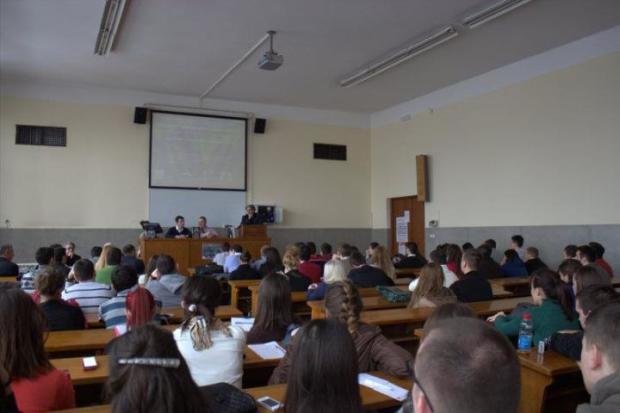
Tematska predvanja i tribine pod nazivom “Bezbednosni dijalog” posvećena su profesorima, studentima Univerziteta u Beogradu, članovima Istraživačkog centra za odbranu i bezbednost kao i svim zainteresovanima kako bi proširili svoja znanja iz raznih oblasti. Zbog velike brojnosti sva predavanja i tribine se održavaju u sali za sednice, Fakulteta bezbednosti ili u sali 8 Univerziteta u Beogradu, zavisno od termina i slobodnosti sala. Predavači su eminentni stručnjaci, diplomate. Tribine koje je organizovao Istraživački centar za odbranu i bezbednost:   1. Nj.E. Ambasador Austrije dr Johannes Einger – “Medjunarodna saradnja Austrije i Srbije” 2. Nj.E. Ambasador Izraela Josef Levi – “Izazovi Izreala i medjunarodna saradnja” 3. Nj.E. Ambasada Japana Toshio Tsunozaki – “Vanredne situacije u Japanu” 4. Nj.E. Šef misije UN u Libanu Milos Strugar – “Iskustva iz mirovnih misija u Libanu” 5. Redovni profesor Fakulteta političkih nauka Miroljub Jevtić – “Dzihad kao sveti rat i povezanost sa terorizmom” 6. Brigadni general Ornelo Baron – kancelarija NATO-a u Beogradu  – “NATO i partnerstvo za mir” 7. Prof. dr Milan Milajkovski “Obaveštajno – bezbednosni izazovi Republike Srbije” 8.  Prof. dr Michael Baller – Fakultet za ekonomiju i pravo Berlin  – “Bezbednost luka na Dunavu“ 9.  Prof. dr Klaus Lange – Institut za transnacionalne studije Indija- “Bezbednost u jugoistočnoj Aziji – slučaj Indija-Pakistan” 10. Jean Charles Brisard član komiteta UN i ekspert za međunarodni terorizam – Pariz, “Međunarodni terorizam – slučaj 11.septembar SAD “ 11. Prof. dr Alessia Biava – Univerzitet u Ženevi – “Bezbednosna politika Evropske Unije ” 12. Prof. dr Dragan Škobalj – Internacionalni Univerzitet Brčko – “Energetska bezbednost Srbije i regiona” 13. Prof. dr Zlate Dimovski – Fakultet bezbednosti Skoplje – “Bezbednosni izazovi Makedonije” 14. Prof. dr Branko Rakić Pravni fakutlet – “Legislativa kao instrument međunarodne bezbednosti” 15. Bivši ministar informisanja SRJ – g. Goran Matić  – “Propaganda i rat” CNN 16. Dr Darko Trifunović – “Terorizam kao bezbednosna pojava” FUDAN Univerzitet , […]